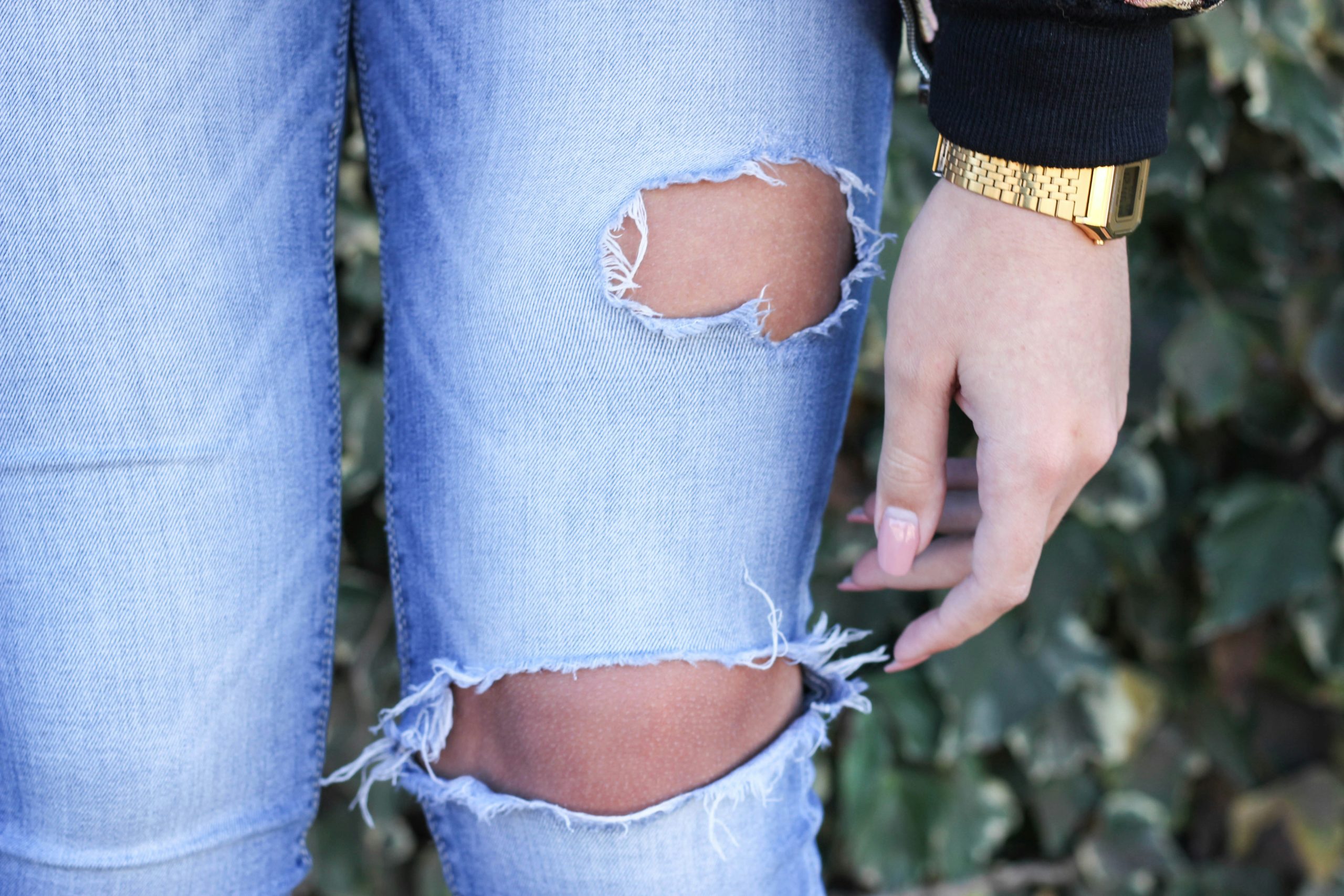
You try them on in the store. The lighting is flattering, the mirrors are forgiving, and for about thirty seconds, you think you’ve found the one. Then you get home. You sit down, and the waistband digs in. You stand up, and there’s a weird bunching behind your knees. Or maybe the thighs are painted on, but there’s enough room in the back to hide a small bag of groceries.
This isn’t your body’s fault. It’s also not bad luck. Most people walk into a store with zero information about how jeans are actually supposed to fit their specific shape. So they grab a size, get frustrated, and assume something is wrong with them.
Let’s fix that. Here’s the real reason your jeans never fit properly—and a practical roadmap to finding a pair that feels like it was made for you.
The Real Reasons Your Jeans Don’t Fit (It’s Not Your Body)
Most fit problems come down to three things: fabric behavior, pattern cutting, and sizing inconsistency. Once you understand these, you stop blaming your hips or your stomach and start shopping smarter.
The Waistband Gap Problem
You know this one. The jeans fit your hips and thighs perfectly, but when you button them, you can pinch a full inch or more of extra denim at the small of your back.
This happens because many mass-market jeans are cut straight from hip to waist. But most bodies aren’t straight. If you have a narrower waist compared to your hips (sometimes called a “curvy” or “athletic” shape), straight-cut jeans will always gap. The manufacturer assumed the same measurement difference for every body, and that assumption was wrong.
Quick test: Put on the jeans and sit down. Does the back waistband pull away from your skin? That’s not a “small waist” problem. That’s a pattern problem.
The Thigh Pinch
You find a pair that fits your waist, but you can barely squat to tie your shoe. The denim feels like it might split if you lift your knee too high.
This is almost always a rise problem combined with a fabric problem. Low-rise and mid-rise jeans cut the leg opening too narrow for a larger thigh measurement. But here’s what brands don’t tell you: even “straight leg” jeans often taper aggressively through the upper thigh to save fabric costs. That pinch you feel? It’s intentional cost-cutting disguised as style.
The Knees Bag Out After Two Hours
You put on fresh jeans in the morning. By lunch, the knees look like deflated balloons and the seat has stretched a full size.
That’s 100% the denim. Raw, untreated denim with low elastane content will stretch. But cheap, lightweight denim (under 10 oz) with no recovery fibers will stretch and stay stretched. Once the cotton fibers relax, they don’t spring back until you wash them. If you’re wearing those ultra-stretchy “jegging” materials, they’re designed to mold to you—which means they also mold to every squat and knee bend you make during the day.
The “I Have to Choose Between Breathing and Buttoning”
Either the waist is comfortable when you stand but suffocating when you sit, or you size up and the whole thing sags.
This is a rise and fabric rigidity issue. High-rise jeans with zero stretch lock you in place. Low-rise jeans with too much stretch shift downward every time you move. The sweet spot? Mid-to-high rise with 1-2% elastane. That small percentage gives you sit-down forgiveness without turning into a saggy mess by 3 PM.
Common Shopping Mistakes That Sabotage Your Fit
Most of us learned how to buy jeans from a parent or a friend who also didn’t know what they were doing. Here’s what that created.
Mistake #1: Believing Your Size Number Means Anything
A size 28 in Levi’s is not a size 28 in Madewell. A size 28 in Madewell is not a size 28 in Gap. Within the same brand, a 28 in their skinny jean might be completely different from a 28 in their straight leg. Sizes are marketing, not measurement.
Stop caring about the number on the tag. Seriously. Cut it out if you have to. What matters is how the jeans behave on your body when you walk, sit, and bend.
Mistake #2: The Standing-Only Try-On
You stand in front of the three-way mirror. You turn sideways. You nod. You buy.
Then you get home and realize you never sat down once.
Here’s what you miss when you only try on standing:
- Waistband dig when seated.
- Ride-down at the back when you bend.
- Tightness behind the knees when you walk.
- Button strain when you cross your legs.
Do ten air squats in the fitting room. Sit on the little bench they provide. Bend over like you’re picking up a kid’s toy. If the jeans feel wrong in any of those positions, put them back.
Mistake #3: Confusing “Stretchy” With “Good Fitting”
Retailers have convinced us that more stretch equals more comfort. That’s only half true.
High-stretch jeans (3-5% elastane or spandex) feel amazing for the first hour. Then they stretch out, lose their shape, and start bagging at the knees, seat, and waist. Low-stretch or rigid denim (0-1% elastane) feels stiff at first but molds to you over time and holds its shape all day.
Rule of thumb: If the jeans feel like leggings, they’ll fit like leggings after three wears—which is to say, not like jeans at all.
How to Actually Find Jeans That Fit Your Specific Body?
No two bodies are the same. So stop looking for a “perfect jeans for pear shapes” article and start looking for fit clues that work for you.
Start With Your Rise Measurement
The rise is the distance from the crotch seam to the top of the waistband. It changes everything.
- Low rise (7-8 inches): Sits below your natural waist. Works if you have a straight torso and no lower belly. Will gap and slide down on almost everyone else.
- Mid rise (8.5-9.5 inches): Sits at or just below your belly button. Most universal fit. Good starting point for most bodies.
- High rise (10+ inches): Sits at or above your natural waist. Excellent for curves, longer torsos, and anyone who wants to avoid the waistband gap.
Try this: Measure your favorite pair of jeans (the ones that fit best, even if they’re not perfect) from crotch seam to waistband top. That’s your rise number. Look for that number when shopping online.
Understand Your Thigh-to-Waist Ratio
Here’s the question that clears up 80% of fit confusion: does your thigh measurement differ significantly from the waist measurement of most jeans?
Grab a soft measuring tape. Measure the fullest part of your thigh. Then measure your natural waist. If the difference is more than 10-12 inches, you need a “curvy fit” or “athletic fit” jean—even if you don’t think of yourself as curvy or athletic. These cuts add extra room in the hip and thigh while keeping the waist smaller.
If the difference is smaller than that, straight cuts or slim cuts will probably work fine.
The Finger Test for Waist Fit
Button the jeans and stand normally. Slide your finger between the waistband and your lower back. Can you fit more than two fingers? The waist is too big. Can’t fit a single finger? It’s too tight for sitting comfort.
One finger with slight resistance is the sweet spot. That finger should slide in but not flop around.
When to Alter (And When to Just Walk Away)
Here’s something no one tells you: almost no one finds jeans that fit perfectly off the rack. But there’s a difference between “needs a small fix” and “wrong shape entirely.”
Fixable Problems (Worth Buying)
| Problem | Fix | Typical Cost |
|---|---|---|
| Waistband gap (less than 1.5 inches) | Take in the waist at the back seam | $15-25 |
| Jeans too long | Hem them | $10-20 |
| Too loose in the seat | Take in at the center back | $20-30 |
Unfixable Problems (Don’t Bother)
- Thighs too tight (can’t add fabric).
- Rise too short or too long (rebuilding the whole top block).
- Knees bagging from cheap fabric (structural flaw).
- More than a 2-inch waist gap (the proportions are wrong).
If you need to take in the waist more than two inches, the jeans are the wrong shape for you. Move on. There are 47 other brands in the mall.
The “Try On At Home” Checklist
Print this. Screenshot it. Whatever works.
Before you buy:
- Waist fits with one finger of give.
- You can squat without the crotch seam pulling.
- No pinching behind the knees when you walk.
- Back pockets hit the middle of your seat (not below it).
- You can sit for 30 seconds without unbuttoning.
After three hours of wear at home:
- Waist hasn’t stretched more than half an inch.
- Knees aren’t baggy.
- Seat hasn’t sagged.
- You haven’t had to pull them up.
If any of these fail, return them. Don’t convince yourself they’ll “break in” or “shrink in the wash.” They won’t.
Fabric Cheat Sheet: What to Look For on the Tag
Not all denim is created equal. Here’s what the fabric composition actually means.
98-99% cotton, 1-2% elastane/spandex The Goldilocks zone. Holds shape. Recovers from stretching. Comfortable from hour one. Look for this.
100% cotton (rigid denim) Will feel like cardboard for the first five wears. Then it will mold perfectly to your body. Excellent if you have patience. Bad if you want comfort immediately.
70-80% cotton, 20-30% polyester/viscose/rayon Synthetic-heavy. Will feel soft in the store. Will bag out, pill, and lose shape within a month. Avoid unless you’re paying under $20.
Cotton with 5%+ elastane Basically leggings with a zipper. Stretches out fast. Fine for lounging. Terrible for all-day wear.
Why the Same Size Fits Differently Across Brands?
Let me show you something annoying but important.
Levi’s 501 (rigid): size 29 waist = 30.5 actual inches Everlane original cheeky: size 29 waist = 31 actual inches Madewell perfect vintage: size 29 waist = 29.5 actual inches
Three brands. Same number on the tag. One full inch of difference.
This is why you need your actual measurements written down. Waist. Hip. Thigh. Rise preference. Keep them in your phone. When you shop online, ignore the “size guide” that tells you what size you should be. Look at the garment measurements. Compare them to your numbers. If they don’t list garment measurements, don’t buy.
A Word on Shrinking and Stretching (Because Everyone Gets This Wrong)
You cannot shrink a waistband permanently. Hot water and a dryer will tighten the fabric, but the first time you sit down and move, the cotton fibers relax again. You’re back where you started within an hour.
You also cannot stretch a waistband permanently. Stretching wet denim over a chair back works for about 20 minutes of wear. Then the elastic fibers (if any) pull back to their original state.
What actually works:
- To tighten loose jeans: Wash cold, hang dry. Repeat. The cotton will contract slightly each time but never more than half a size.
- To loosen tight jeans: Wear them for three full days without washing. Body heat and movement will relax the fibers. Then wash cold and hang dry to reset.
The Jeans Wardrobe Shortcut
Instead of hunting for one perfect pair that does everything, buy for specific situations.
Everyday jeans (wear 3+ days a week): Mid-rise. 98-99% cotton. Straight or slim straight. Dark wash. These handle everything.
Weekend jeans (lounging, errands, travel): High-rise. 95-97% cotton with 3-5% elastane. Relaxed fit. Light or medium wash. These prioritize comfort over structure.
Going out jeans (dinner, drinks, events): High-rise. Rigid or 99% cotton. Wide leg or flare. Dark or black wash. These stay crisp and don’t bag out during a long evening.
Notice none of these are skinny jeans. That’s not a rule—skinny jeans work fine for some people—but they’re the most common source of fit complaints. If you’ve been forcing skinny jeans for years and they never fit, try a straight leg. You might be shocked at how much better it feels.
What to Do Right Now?
Stop buying jeans based on how they look on a hanger or how they look in a TikTok try-on haul. Those people have different bodies. Different proportions. Different problems.
Go home. Measure your waist, hips, and thigh. Write down the rise measurement of your best-fitting current pair. Then go back to the store or open a new browser tab. Compare every potential pair to your numbers, not to what size you think you wear.
And when you find a pair that actually fits—the kind where you forget you’re wearing jeans by noon—buy two. Same size. Same wash. Same cut. Because that specific combination of pattern, fabric, and factory might not exist next season.
Your jeans never fit properly because you’ve been shopping the way brands want you to shop: fast, hopeful, and uninformed. Now you know better. Go find the pair that was waiting for you this whole time.