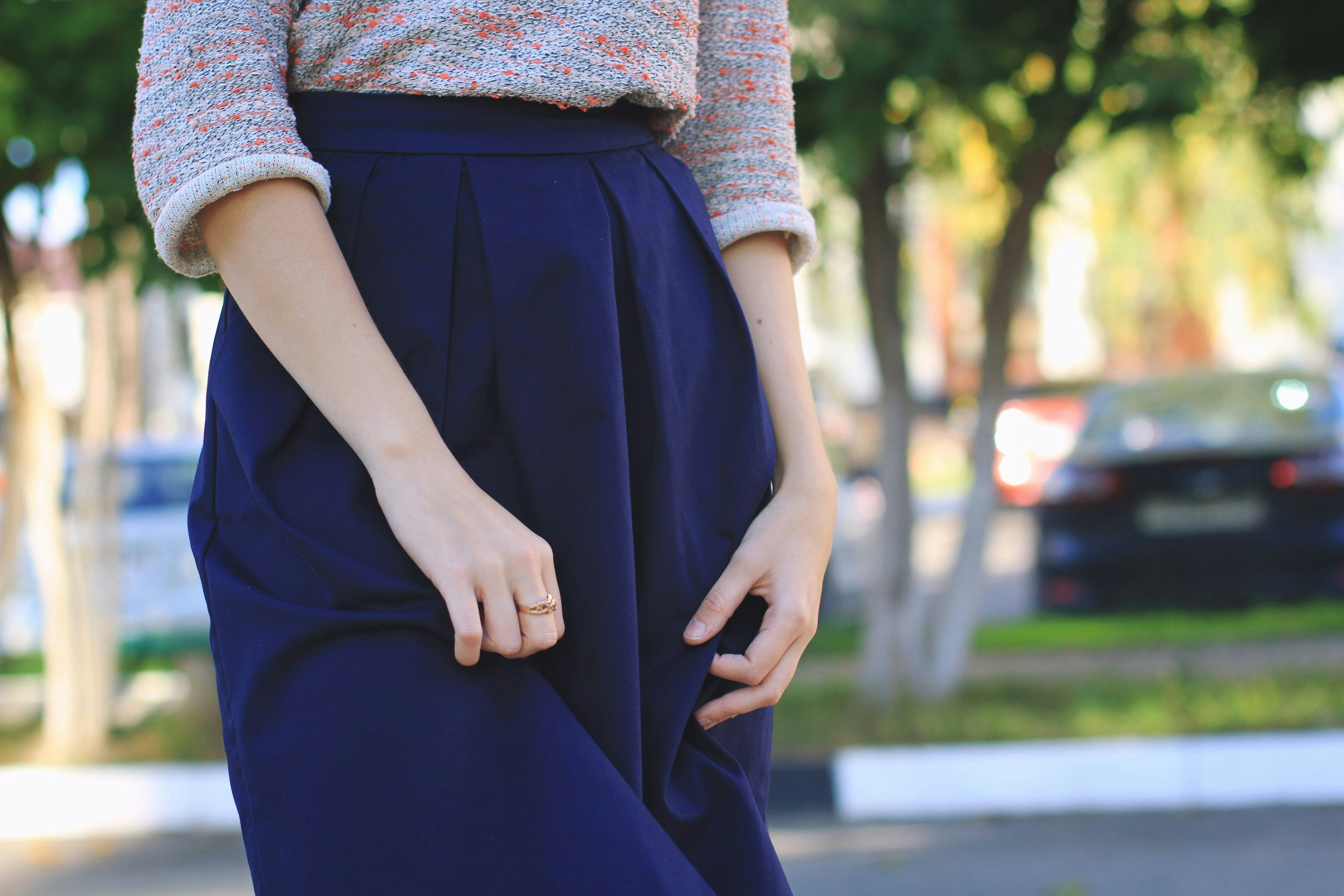
You put on clean clothes. Nothing is torn. Everything fits okay. But when you catch your reflection in a store window or see a candid photo later, something looks… off. Sloppy. Disorganized.
It’s frustrating because you can’t put your finger on it. The outfit isn’t bad, but it’s not sharp either.
Most people assume looking messy means wearing stained or ripped clothing. That’s not true. You can wear expensive, freshly washed items and still look disheveled. The real culprits are small, repeated mistakes that most people never notice until someone points them out.
Below are the most common outfit mistakes that make clothes look messy, why they happen, and exactly how to fix each one without buying a new wardrobe.
The Wrinkle Assumption No One Talks About
Here’s something most style guides skip: wrinkles don’t have to be severe to ruin an outfit.
You’ve probably heard “just iron your clothes” a hundred times. But the real problem isn’t the deep, obvious creases. It’s the micro-wrinkles. The slight crumple around your elbows. The soft fold across your stomach when you sit down. The way a linen shirt looks “relaxed” in a store photo but reads as “slept-in” on an actual Tuesday afternoon.
Why this happens: Most people pull clothes from the dryer, hang them immediately, and assume that’s enough. It’s not. Dryer heat sets wrinkles rather than removes them unless you remove the clothes while they’re still hot and shake each piece out.
The fix: Shake each garment hard three times before hanging. For cotton and linen, a $15 handheld steamer works faster than an iron and removes those tiny surface wrinkles that make an outfit look messy. Steam for thirty seconds per item while it hangs.
The Wrong Kind of Fading
Black clothes that don’t match each other might be the single most overlooked reason people look disheveled. You’ll see someone wearing black jeans, a black t-shirt, and black sneakers, but the jeans are charcoal-gray faded, the shirt is jet black, and the sneakers are washed-out grey-black. The outfit looks unintentional. Like you grabbed whatever was clean in the dark.
The real issue: Different fabrics fade at different rates. Cotton fades fastest. Denim holds color longer but fades unevenly. Synthetics often stay dark for years. When you combine these, the mismatch screams “messy” even though each piece is fine alone.
How to fix it: Stop trying to match blacks exactly. Instead, create deliberate contrast. Pair faded black jeans with a heather grey shirt instead of a true black one. Wear your darkest black top with brown or olive pants. When you stop forcing mismatched dark colors together, the messy look disappears instantly.
Quick test: Hold two dark items side by side under natural light. If you can clearly see a difference, don’t wear them together unless there’s a third piece breaking them apart (like a jacket or sweater over one of them).
The Belt Problem Nobody Mentions
Walk through any airport or grocery store. Look at men’s belts. More than half are too long.
A belt that extends more than an inch past the belt loop looks careless. It’s not a major fashion crime, but it’s one of those outfit mistakes that make clothes look messy without people knowing why. The extra tail flops around. It catches on things. It visually breaks your silhouette into choppy sections.
Women make a similar error with belts that are too wide for the belt loops, causing the leather to buckle and warp at the front.
Why people do this: Belts come in standard sizes that don’t fit most bodies well. A size 34 belt on a 32-inch waist leaves two extra inches. Most people just wear it anyway.
The actual fix: Punch two new holes in your belt. Not one. Two. The first hole brings the tail to the correct length (just past the first belt loop). The second hole gives you room for bloated days or heavier layers. A $10 hole punch from any hardware store pays for itself instantly.
For women: match your belt width to your belt loops. If the loops are half an inch wide, your belt should be half an inch or slightly less. Squeezing a wide belt into narrow loops creates a bunched, sloppy look at your waistband.
Collar Collapse and the Bacon Effect
T-shirt collars that stretch into a wavy shape are commonly called “bacon neck” because they resemble a wavy strip of bacon. Once this happens, the shirt reads as messy no matter how clean or new the rest of it is. Same thing happens to polo shirt collars that lose their stiffness and flop over.
People hold onto these shirts because the body is still fine. That’s a mistake.
Why collars fail: Hanging wet t-shirts stretches the neckband. The weight of the wet fabric pulls downward while the collar dries in a stretched position. Also, pulling shirts off by grabbing the back of the collar (that instinctive one-handed yank) destroys the internal elastic after about fifty wears.
Prevention that works: Fold t-shirts and polos. Don’t hang them. When removing a shirt, grab the bottom hem and pull upward from both sides. Never grab the collar.
When to give up: If the collar has visible waves or doesn’t lay flat against your chest when you stand normally, that shirt is done for casual wear. Keep it for sleeping or cleaning. Wearing it out will make the rest of your outfit look messy by association.
The Dryer Sheet Lie
Dryer sheets and liquid fabric softener make clothes feel nice in your hands. They also leave a waxy coating on fibers that traps dirt, reduces absorbency, and—most relevant here—creates static cling that makes clothes stick to your body in weird ways.
When your shirt clings to your stomach or your pants bunch up around your calves from static, you end up unconsciously tugging and adjusting all day. That constant fidgeting reads as messy. You look uncomfortable in your own clothes because you are uncomfortable.
What actually helps: Stop using dryer sheets for six weeks. Your clothes will feel slightly rougher at first, but that’s the coating washing out. After that, add half a cup of white vinegar to the rinse cycle instead. Vinegar removes residue, softens naturally, and eliminates static without coating the fibers.
The real test: Take a cotton t-shirt that’s been dried with sheets and one that hasn’t. The non-coated shirt will hang straighter and move with you instead of grabbing your skin.
Where You Hem Matters More Than You Think?
Pants that drag on the ground collect dirt, fray, and develop a curved, dirty edge at the heel. This is obvious. But pants that are too short also make you look messy in a way most people misdiagnose.
When trousers end an inch above your shoe with no break (the little fold where fabric rests on your shoe), your leg line looks chopped. The eye jumps from pant hem to shoe instead of flowing smoothly. This creates a staccato, nervous visual rhythm that reads as disorganized.
The sweet spot for most people: A slight break in front. The back of the hem should sit about halfway down your heel. For no-break styles (common with slim dress pants), the hem should just kiss the top of your shoe without hovering above it.
How to check yours: Put on the shoes you’ll wear most with those pants. Stand normally. Look down. If you see sock between your pant hem and shoe, they’re too short for that shoe. If the back of the hem touches the ground when you stand, they’re too long.
One caveat: cropped pants and ankle-length styles are meant to show sock or ankle. That’s intentional. The messy look happens when regular-length pants are hemmed wrong, not when you deliberately choose a shorter cut.
The Hidden Chaos of Pattern Mixing
Some people look effortlessly put together in stripes and plaids. Others look like they dressed in a dark room. The difference isn’t talent. It’s scale.
The most common pattern-matching mistake is using patterns that compete at the same visual weight. A medium gingham check with medium pinstripes creates visual noise. Your eyes don’t know where to rest. That noise reads as messy.
What works: Pair a large pattern with a tiny one. Big plaid shirt? Wear a micro-stripe tie or a solid with fine texture. Large floral dress? Add a bag with a tiny geometric print. When patterns operate at different scales, your brain organizes them easily and the outfit looks intentional.
The safe move for beginners: Only pattern-mix with accessories. Striped shirt with a polka dot pocket square. Plaid jacket with a subtly dotted tie. Keep the main pieces simple and let small items do the mixing. You’ll look thoughtful instead of chaotic.
Your Bag Is Sabotaging Everything
A great outfit plus a stretched-out, overstuffed tote bag equals a messy overall impression. Your bag sits at your side in every full-body photo. People see it constantly. If your purse or backpack is bulging, misshapen, or covered in pulled threads, that’s what they remember.
The specific problems: Bags that won’t close because they’re too full look sloppy. Straps that have stretched unevenly pull your posture sideways. Canvas bags that started crisp but went floppy without any structure just look tired.
Quick fixes that matter: Empty your bag weekly. Remove receipts, loose change, and whatever lives at the bottom. For soft bags without structure, drop in a bag organizer (they cost $12-20) to maintain shape. Replace straps as soon as they show uneven wear.
Most importantly: if you carry a bag daily, retire it every eighteen months. Even expensive leather sags and loses shape with constant use. Rotating between two bags extends both their lives and keeps your overall look cleaner.
The Real Reason Your Outfit Looks Messy (And It’s Not Your Clothes)
Sometimes the outfit mistakes that make clothes look messy aren’t in the clothes at all. They’re in how you wear them.
Do you pull your sleeves up differently on each arm? One pushed to the elbow, the other bunched at the forearm? Do you tuck your shirt in the front but leave it loose in the back? Does your jacket collar sit up on one side because you carry a bag on that shoulder?
These asymmetries happen naturally throughout the day. The problem is that most people never fix them. They walk around with one sleeve higher than the other, one shirt tail hanging out, one pant leg twisted at the ankle.
The five-second reset: Every time you use a restroom, take five seconds to adjust everything. Pull both sleeves to the same height. Check your collar. Straighten your belt. Make sure both pants legs are sitting evenly. This tiny habit fixes more messy-looking outfits than any purchase.
Fabric Choices That Fail Without Warning
Some fabrics look clean for exactly one hour. Then they wrinkle, cling, or sag into a messy mess.
Linen is the classic example. Pure linen looks beautifully casual for the first thirty minutes after ironing. Then every bend of your arm, every time you sit down, every breath creates new wrinkles. By lunch, you look like you slept in your clothes.
Rayon and viscose wrinkle less but stretch out weirdly. Knees bag. Elbows bulge. Seams twist toward the front.
How to work with difficult fabrics: Don’t avoid them. Just know what you’re signing up for. Wear linen when you’ll be standing most of the day (weddings, parties, outdoor events). Avoid it for desk jobs or car trips. Choose linen-blends (with cotton or a small percentage of polyester) for actual daily wear. They keep the look without the instant destruction.
For rayon: buy it fitted, not loose. Loose rayon shifts around your body and bunches. Fitted rayon moves with you and settles back into place.
FAQ
Why do my clothes look messy even after ironing?
You’re likely ironing but not addressing fabric distortion. Ironing smooths flat surfaces but doesn’t fix stretched collars, uneven hems, or static cling. Check those specific issues separately. Also, ironing dry fabric sets wrinkles temporarily, but the moment you move, body heat and moisture bring them back. Steam releases fibers so they stay smoother longer.
Can cheap clothes look neat or expensive clothes look messy?
A $10 t-shirt that fits well, has a crisp collar, and gets steamed before wear looks cleaner than a $100 shirt that’s wrinkled, faded unevenly, or fits poorly. Expensive fabrics (silk, high-end cotton, wool) actually show neglect more obviously because their natural drape depends on proper care. Price buys quality but not neatness.
How often should I replace everyday clothes to avoid looking messy?
Replace t-shirts every 6-12 months of regular wear. Replace jeans when the knees bag out or the hem frays (typically 1-2 years). Replace belts when the leather cracks or the holes stretch into ovals. Replace sneakers when the heel padding compresses flat or the toe box creases deeply. The calendar matters less than visible wear. When something looks tired to you, it looks messy to everyone else.
Do certain body types have more trouble avoiding messy-looking outfits?
Not really, but certain fits cause more problems for everyone. Very loose clothing wrinkles more because excess fabric shifts and folds. Very tight clothing creates pull lines and stress wrinkles. The “messy” zone is the middle ground where clothes neither drape smoothly nor fit precisely. Slightly too big causes more messy problems than slightly too small.
Is it possible to over-accessorize into a messy look?
Yes, and it’s common. Every accessory adds a visual point of interest. Too many points create noise. Two accessories usually look intentional. Four or more start to look cluttered unless they’re very small or match exactly. A watch and one ring works. Watch, two rings, bracelet, necklace, and hat usually doesn’t. Clutter reads as messy even when each piece is nice.
The Bottom Line
Looking neat isn’t about expensive clothes or natural style talent. It’s about catching the small outfit mistakes that make clothes look messy before they ruin your appearance. Wrinkles you don’t see. Collars you don’t check. Belts you don’t trim. Bags you don’t empty. These are habits, not wardrobe problems.
Pick one fix from above and work on it for a week. Then another. Within a month, you’ll see your reflection and wonder why you ever looked disheveled before. The clothes you already own will look better. And you won’t need to explain that you “just threw something on.” Because it won’t look like you did.