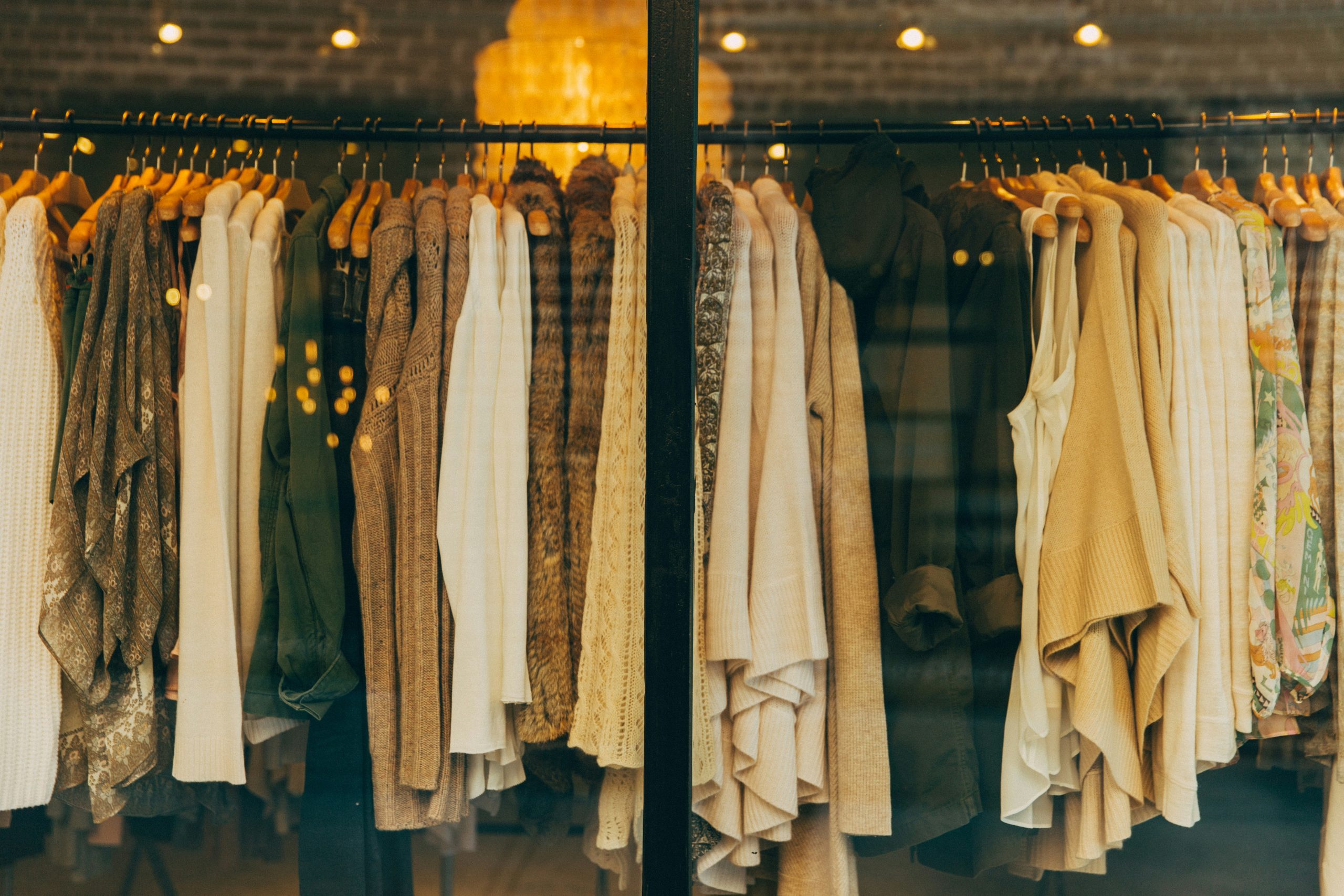
You stare at a full closet every morning. Nothing feels right. The automatic thought is, “I need new stuff.” So you scroll apps, add things to cart, and repeat the cycle next month. But here’s what most people miss: buying more clothes rarely fixes the actual problem. It just covers it up for a week.
The real question isn’t what should I buy? It’s how can you dress better without buying more clothes?
Turns out, the answer has almost nothing to do with spending money. It has to do with fit, maintenance, creativity, and a few hard-earned lessons about why that $60 fast-fashion shirt looked great in the store but feels wrong at home.
Why Your Closet Feels Empty Even When It’s Full?
Most people own plenty of clothes. The issue isn’t quantity. It’s visibility and compatibility.
Here’s what happens. You buy items individually based on how they look on a hanger or a model. You don’t buy them as part of a system. So you end up with twelve tops that only match one pair of pants. Or three statement jackets that clash with everything else. Or five pairs of jeans that fit slightly differently, but only two feel good after lunch.
The other silent killer is “closet blindness.” You see the same grey sweater every day for two years. Your brain stops registering it as an option. It becomes background noise, even if it still fits well and looks fine.
You don’t need more clothes. You need to see your clothes differently.
How Can You Dress Better Without Buying More Clothes? Start With Fit (Not Size)
The single biggest improvement you can make costs zero dollars. Learn what your fit actually looks like.
Most people wear clothes that are one size off. Not because they’re clueless, but because sizes are imaginary. A medium in one brand is a large in another. A 32-waist jean from a vintage pair fits nothing like a 32 from a new stretch-denim brand.
Quick self-check for better fit:
- Shoulder seams should hit where your arm meets your shoulder. Not halfway down your bicep.
- T-shirt sleeves shouldn’t flare out like wings. If they do, roll them once.
- Pant break (where fabric hits your shoe) – one small wrinkle is fine. A pile of scrunched fabric means they’re too long or too baggy.
- Button-up shirts – you should pinch no more than one or two inches of fabric at your lower back when tucked in.
Try everything on right now. Not for stains. For fit. You’ll likely find two or three items that fit poorly but could be fixed. And a few that fit great but you’ve been ignoring.
The Hidden Power of Basic Alterations (Under $15 or DIY)
Here’s where a tiny bit of effort changes everything. Hemming pants. Taking in a shirt waist. Shortening sleeves. These are not expensive or hard.
You can hand-stitch a hem in twenty minutes watching a show. A tailor will hem pants for $10–15. Taking in the sides of a button-down costs about the same.
What to look for in your closet right now:
- Jeans or trousers that are too long (pile of fabric at the ankle).
- Dress shirts that balloon at the lower back.
- Sleeves that cover your knuckles.
- A blazer that feels boxy (tailor can bring in the sides).
I had a friend who almost donated a wool coat because it felt “frumpy.” $18 at a local tailor to take in the back seam. Suddenly it was her most complimented item. Same coat. Same fabric. Just fitted to her actual body.
Fabric Care Is 70% of Looking Put-Together
You can wear a $20 thrift store sweater and look better than someone in a $200 designer piece if your fabric looks alive and theirs looks tired.
Most people destroy their clothes without realizing it. Too much heat. Too much dryer. Too much detergent. Wrong hangers.
Simple fabric rules that cost nothing to implement:
- Stop using dryer sheets on natural fabrics (cotton, wool, linen). They leave a waxy film that dulls color and traps odor.
- Hang dry your jeans and t-shirts. One extra hour of air drying doubles the life of the fabric.
- Use a fabric shaver on pilling sweaters. That fuzzy, worn look disappears in five minutes. A shaver costs $10.
- Iron or steam wrinkles. This is non-negotiable. Wrinkled clothes read as lazy, even if the outfit is expensive. A handheld steamer is $20. Use it.
Also learn the difference between “dry clean only” and “dry clean recommended.” Many “dry clean only” wool sweaters can be hand-washed cold and laid flat to dry. Check the tag. Learn the symbols. You’ll save money and wear your better items more often.
The Three-Word Styling Trick That Fixes Most Outfits
Here’s a mental shortcut used by people who dress well on a budget. Think: Texture, contrast, anchor.
- Texture means mixing fabric types. Denim with wool. Cotton with leather (or fake leather). Linen with knit. Same color outfit works if textures differ.
- Contrast means light with dark. Or saturated color with neutral. Or fitted with loose. Avoid head-to-toe medium-grey or medium-blue.
- Anchor means one piece that feels intentional. A watch. A belt. A collar popped (not the whole collar, just the back). A half-tuck. Something that says “I thought about this.”
Apply this to an outfit you already own. Grey sweatpants + white t-shirt + black denim jacket. Texture: cotton tee, fleece pants, stiff jacket. Contrast: white against black jacket. Anchor: roll the jacket sleeves once. Suddenly it’s not “I gave up.” It’s “I’m comfortable but sharp.”
Layering Without Looking Bulky (Use What You Own)
Layering is the cheapest trick in the book because you already own layers. You just don’t think to combine them.
Most people avoid layering because they try to put a thick sweater under a tight jacket. That feels terrible and looks worse. The secret is thin layers under thicker outer pieces.
Layering combinations from a normal closet:
- T-shirt + unbuttoned overshirt (flannel, denim, or work shirt).
- Thin turtleneck + crewneck sweater.
- Long-sleeve tee + open button-down.
- Hoodie + chore coat or field jacket.
The goal is visible depth without sausage-casing tightness. If you feel restricted, remove a layer and try a different weight.
Also learn the “French tuck.” Front of your shirt tucked in loosely. Sides and back out. Creates shape without looking fussy. Works on almost any body type.
The Accessory Box You Already Own
Open that drawer. The one with old sunglasses, three belts, two watches, and a beanie you never wear.
Accessories are how you change an outfit’s personality without buying new clothes. A black t-shirt and jeans is boring. Add a brown leather belt and matching watch band? Now it’s intentional.
What to dig out right now:
- Belts (match shoes when possible, but don’t obsess).
- Scarves (lightweight ones work indoors over a tee).
- Hats (caps, beanies, flat caps – but only one per outfit).
- Watches (replace the battery if needed).
- Socks that show (a subtle color pop with cropped pants).
One warning. Never wear more than three accessories at once. Pick a watch, belt, and maybe sunglasses. Anything beyond that starts looking like a costume.
The Rotation Lie (Why You Should Wear Your Best Stuff More)
Someone told you to save your good clothes for “occasions.” That person was wrong.
You own a nice wool sweater. You wear it twice a winter because you’re afraid to spill coffee. Meanwhile you wear a faded hoodie forty times. Look at photos from the past year. You look better in the sweater. Wear the sweater.
Clothes are not investments. They are tools for feeling good. A shirt that sits in your closet for three years didn’t save you money. It cost you the opportunity to feel put-together.
Try this for two weeks:
- Wear your top five favorite items at least once each week.
- Stop “saving” anything except actual formalwear.
- If something rips or stains, fix it or retire it.
You’ll notice two things. First, people will comment that you look “different” even though you’re wearing old clothes. Second, you’ll realize which items you actually love versus which ones you just tolerate.
Common Mistakes That Make You Think You Need New Clothes
Let’s name the traps so you can avoid them.
Buying for a fantasy version of yourself. Those linen pants look great. Do you ever go places where linen pants make sense? No? Then they’ll hang unworn. Stop buying for vacations you don’t take.
Keeping clothes that are two sizes too small. “I’ll lose ten pounds and wear these jeans again.” No you won’t. Donate them. The mental clutter is worse than the financial loss.
Following trends that don’t match your life. Wide cropped pants are everywhere. Do you work in an office or a coffee shop? Maybe stick with straight-leg jeans that work everywhere.
Wearing the same shoes every single day. Shoes are the fastest way to change an outfit. A white sneaker, a brown boot, a black loafer. That’s three completely different vibes. You probably own at least two of these already.
The 30-Day No-Buy Style Challenge
Here’s a concrete plan. Do not buy any clothing for 30 days. Not one item. Not even socks.
Instead, every time you feel the urge to shop, spend twenty minutes editing your closet.
Weekly tasks:
Week one: Try on every piece you own. Make three piles: fits well, needs alteration, donate. Be brutal with donate. If you haven’t worn it in a year and it’s not formalwear, it goes.
Week two: Fix three items from the alteration pile. Hem one pair of pants. Take in one shirt. Replace missing buttons on that one jacket. Use YouTube. It’s fine if the stitching is ugly. You’ll get better.
Week three: Create five full outfits from items you forgot about. Take photos. Hang these outfits together on the same three hangers.
Week four: Wear your best outfit on a random Tuesday. Grocery store. Coffee run. Notice how you feel. Notice how no one thinks you’re “overdressed.”
After 30 days, you will not want to buy clothes the same way. You’ll see your closet as a tool kit, not a disappointment.
How to Keep This Going Without Falling Back Into Old Habits?
The reason people relapse into shopping is boredom. You see the same combos. You get tired. A new shirt feels like a fresh start.
Break the boredom without breaking your budget. Swap clothes with a friend for two weeks. Host a clothing swap with four people. Everyone brings a bag. Everyone takes new-to-them items. Zero dollars spent. Entirely new wardrobe feel.
Also follow this rule: one in, one out. If you eventually do buy something, donate something else. Keeps your closet from refilling with junk.
FAQ
Can I really dress better without spending any money?
Yes, if you focus on fit, fabric care, and styling. Most style problems are not budget problems. They’s visibility problems. You ignore what you own. Altering one pair of pants and learning to roll sleeves properly improves your look more than three new shirts.
What if my clothes are just old and worn out?
Worn out is different from old. Faded black jeans can look intentional and broken-in. A stretched-out collar or a hole near the pocket is worn out. Replace those specific items when you can. But don’t replace everything. Target the worst three pieces first.
How do I know which clothes to get rid of?
Turn every hanger backwards. After you wear something, hang it forwards. After three months, anything still backwards gets donated. Except suits, formal dresses, and seasonal gear. This method exposes which clothes you actually use versus which ones just take up space.
What’s the one accessory that makes the biggest difference?
A belt that fits properly. Most people wear belts that are too long (the tip passes their belt loop) or too skinny for their pant loops. A simple leather belt in brown or black, trimmed to your waist size, costs very little and immediately makes untucked shirts look intentional.
How do I make old sneakers look presentable?
Clean the white soles with a magic eraser or toothpaste and an old toothbrush. Replace the laces ($3). Remove the insoles and let them air out for a day. That simple routine makes two-year-old sneakers look six months old.
Is it okay to wear the same outfit twice in one week?
Yes. Nobody pays as much attention to your clothes as you do. Wear the same jeans three days in a row. Nobody notices. Wear the same sweater twice in one week. Nobody cares. The only person keeping score is you.
Putting It Into Practice
How can you dress better without buying more clothes? Stop treating your closet like a museum. Start treating it like a workshop.
The people who look good every day aren’t buying clothes every week. They figured out their fit. They maintain their fabric. They layer creatively. They wear their best stuff on random Tuesdays.
You already have ninety percent of what you need. The last ten percent is attention. Look at what you own. Fix what’s broken. Wear what you love. Ignore the rest.