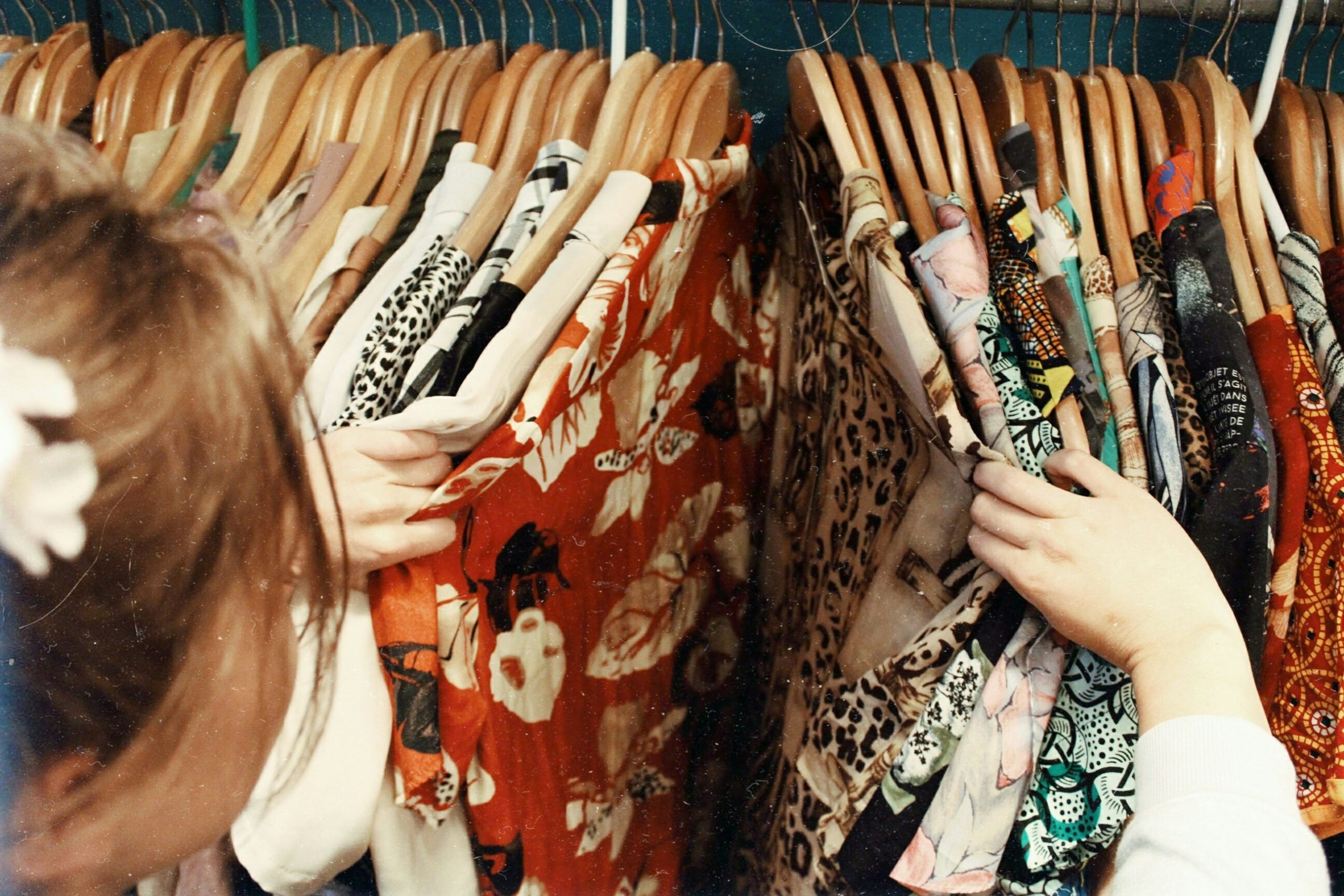
You spot a fantastic sweater or a sharp-looking blazer on a budget-friendly rack. The price tag is incredibly appealing, so you buy it. But when you put it on at home and look in the mirror, something just feels off. The garment lacks the polished, high-end drape you envisioned, and instead, it just looks like exactly what it is: a budget purchase.
Anyone who loves fashion without an unlimited budget has faced this exact problem. The good news is that an elevated, refined style is rarely about the name on the label or the amount of money spent. It is about fit, fabric care, and attention to small details. If you are wondering how can you make cheap clothes look expensive, the answer lies in a few strategic tweaks, smart shopping habits, and a little bit of maintenance.
You do not need to replace your entire wardrobe to achieve a sophisticated look.
Why Affordable Fashion Sometimes Falls Flat?
Before fixing the problem, it helps to understand why a budget item might look cheap in the first place. Mass-market clothing is designed to be produced as quickly and cheaply as possible.
Brands achieve low prices by cutting corners on fabric quality, using lower-grade synthetic blends that fray or pill almost immediately. They also use generic fit blocks designed to accommodate the widest possible range of body shapes, which means the clothing rarely fits any one person perfectly. Furthermore, the finishing details—like buttons, zippers, and interior seams—are usually an afterthought, sourced from the cheapest available materials.
When you address these three core issues—fabric, fit, and finishing details—you instantly elevate the garment.
How Can You Make Cheap Clothes Look Expensive: Practical Solutions?
Transforming a budget find into a piece that looks custom-made requires a bit of effort, but the payoff is immense. Here are the most effective methods to upgrade your affordable wardrobe.
Invest in Basic Tailoring
A twenty-dollar pair of trousers that perfectly skims your waist and breaks at exactly the right spot on your shoe will always look better than a two-hundred-dollar pair that bags at the knees and drags on the floor. Fit is the absolute foundation of a high-end look.
You do not need to tailor every t-shirt you own, but structured pieces like blazers, trousers, coats, and formal dresses benefit greatly from professional adjustments.
- Pants and Trousers: Have the hem taken up so they do not bunch at the ankles. If the waist gapes, have a tailor take it in.
- Blazers and Jackets: Ensure the shoulder seams sit exactly at the edge of your shoulders. Have the sleeves shortened so they hit just at the wrist bone, allowing a sliver of your shirt cuff to peek out.
- Dresses and Skirts: Hemlines make a massive difference. Taking a cheap, awkward midi dress up to a crisp knee-length or tailoring a maxi to hover just above the floor creates an intentional, polished silhouette.
Upgrade the Hardware
One of the most obvious giveaways of an inexpensive garment is flimsy, hollow plastic buttons or bright, brassy zippers that snag. Fortunately, swapping out hardware is one of the easiest and most effective upgrades you can perform.
If you buy a fast-fashion tweed jacket or a basic cardigan, head to a local craft store or search online for high-quality replacement buttons. Look for materials like heavy metal, faux tortoiseshell, genuine wood, or mother-of-pearl. Snip off the original cheap buttons and sew the new ones on. This ten-minute project can make a budget piece look like a boutique find.
Master the Art of Ironing and Steaming
Nothing ruins an outfit faster than wrinkles. High-end fabrics often drape beautifully and resist severe creasing, while cheaper fabrics tend to hold onto every single fold and crinkle.
Taking five minutes to steam or iron your clothes before you wear them completely changes how the fabric behaves. A hand-held garment steamer is a highly effective tool for delicate materials, sweaters, and synthetic blends that might melt under a hot iron. Steaming relaxes the fibers, giving the garment a heavier, more luxurious drape. For cotton button-downs and trousers, a traditional iron with a little bit of spray starch will give you those crisp, professional lines associated with luxury menswear and womenswear.
Remove Cheap-Looking Extras
Budget brands often try to add perceived value to a garment by attaching extras. This includes flimsy, matching fabric belts with plastic buckles, fake pockets, or cheap faux-fur trim on hoods.
If a detail looks poorly made, simply remove it. Snip the thread loops holding that thin plastic belt and replace it with a genuine leather belt from your own closet. Carefully detach scratchy faux-fur collars. Taking away these distracting, low-quality elements forces the eye to focus on the structure of the garment itself.
Beginner Advice for Shopping Smart
Part of making cheap clothes look expensive is knowing what to buy in the first place. You cannot tailor or steam a terrible fabric into looking like silk. When shopping on a budget, pay close attention to the materials.
Fabrics to Embrace vs. Fabrics to Avoid
| Fabric Type | Why It Works or Fails | Verdict |
|---|---|---|
| Cotton and Linen | Natural fibers generally look similar across price points. A basic cotton tee or linen blend shirt often looks highly authentic. | Embrace |
| Ribbed Knits | The texture of ribbed knitting hides slight imperfections and gives a heavier, more expensive drape. | Embrace |
| Faux Suede | Budget faux suede often mimics the real thing incredibly well, holding color beautifully. | Embrace |
| Shiny Polyester | Thin, highly reflective polyester static-clings to the body and immediately reads as cheap. | Avoid |
| Faux Leather (Thin) | Extremely lightweight, squeaky faux leather looks plasticky and wears out quickly. | Avoid |
| Broad Lace | Cheap lace often has frayed edges and stiff, scratchy netting. Good lace is very difficult to fake on a budget. | Avoid |
Strategic Styling for a High-End Finish
Once your clothes fit well and are free of wrinkles, the way you assemble the outfit dictates the final impression.
Stick to Neutral and Monochromatic Palettes
There is a reason minimalist wardrobes rely heavily on neutrals. Colors like camel, navy, olive green, charcoal, ivory, and black inherently look more sophisticated. Mixing neon greens or overly bright, highly saturated colors in cheap fabrics often highlights the low quality of the dye.
Wearing a monochromatic outfit—such as a cream sweater tucked into cream trousers—creates a seamless, elongated silhouette that looks incredibly intentional and luxurious.
Structure Your Layers
A flimsy budget dress looks entirely different when paired with a structured, well-tailored blazer. Adding a piece with strong lines—whether it is a sharp coat, a stiff leather belt, or a structured handbag—gives the entire outfit a grounded, expensive anchor. The eye naturally assumes the softer layers underneath match the quality of the structured piece.
Keep Accessories Minimal and Polished
When your clothing budget is tight, loud statement jewelry can sometimes backfire if the pieces look like cheap costume jewelry. Opt for minimalist, classic shapes. A simple gold-toned hoop, a delicate chain, or a classic watch face adds a touch of elegance without drawing attention to the price tag.
Ensure your shoes and bags are polished. Scuffed shoes drag down any outfit. A quick wipe down and a touch of shoe polish on budget leather (or faux leather) footwear goes a long way.
Common Mistakes When Styling Affordable Fashion
Even with the best intentions, certain styling choices can immediately reveal a budget wardrobe.
- Wearing visible logos: Unless you are wearing an established designer piece, large logos from mall brands or fast-fashion retailers detract from the aesthetic. Solid, unbranded clothing is much easier to pass off as high-end.
- Buying mass-produced distressed items: Faded, ripped jeans or artificially distressed t-shirts from budget retailers rarely look authentic. The distressing is usually symmetrical and unnatural. Opt for clean, dark wash denim instead.
- Ignoring loose threads: Fast fashion garments often come off the rack with stray threads hanging off seams and buttons. Failing to snip these away makes the garment look unfinished.
- Overstuffing unstructured bags: A cheap, slouchy bag looks much worse when it is stuffed full and bulging irregularly. Keep your handbag contents minimal to maintain its intended shape.
Essential Garment Care: Prevention Tips for Longevity
To keep your affordable clothing looking premium, you have to treat it like it is premium. Proper maintenance prevents the rapid deterioration common in budget fashion.
Wash Cold and Hang Dry
The heat from a tumble dryer destroys the elastic fibers in cheap jeans, shrinks low-grade cotton, and causes synthetic sweaters to pill aggressively. Wash your clothes in cold water, preferably on a gentle cycle, and hang them to dry on a rack. This simple change extends the life of a budget garment exponentially.
Use a Fabric Shaver Regularly
Pilling—those tiny, annoying balls of fuzz that accumulate under the arms and along the sides of sweaters—is the hallmark of cheap, short-fiber fabrics. A handheld, battery-operated fabric shaver gently slices these off, restoring a sweater, coat, or pair of leggings to a smooth, like-new condition in minutes.
Upgrade Your Hangers
Thin wire hangers distort the shoulders of sweaters and leave sharp creases in pants. Switch to velvet, non-slip hangers or thick wooden hangers. They help garments maintain their structural integrity while hanging in the closet, meaning they will look better when you put them on.
Frequently Asked Questions
Can you make cheap polyester look expensive?
It is challenging, but possible. The key is avoiding shiny, thin polyester. Look for heavier, matte polyester blends that mimic crepe or silk. Always steam polyester thoroughly, as ironing can melt it, and layer it underneath structured pieces like blazers to hide its drape.
Is tailoring cheap clothes worth the extra cost?
Yes. Spending twenty dollars on a budget pair of pants and another twenty dollars to have them tailored results in a forty-dollar pair of pants that fits perfectly. A poorly fitting hundred-dollar pair of pants will still look sloppy. The cost-per-wear value increases dramatically with tailoring.
What colors make an outfit look more expensive?
Neutrals are generally the safest bet. Camel, beige, cream, navy, charcoal gray, and black often look rich and sophisticated regardless of the fabric. Olive green and deep burgundy also translate well in budget-friendly materials.
How do I stop fast fashion clothes from ruining in the wash?
Wash items inside out to protect the outer surface from friction. Use cold water, utilize mesh laundry bags for delicate items or sweaters, and strictly avoid the dryer. Heat breaks down low-quality fibers rapidly.
How do you hide cheap zippers?
If a garment features a bright, cheap-looking exposed zipper, try layering a cardigan or jacket over it. Alternatively, a skilled tailor can replace an exposed metallic zipper with a discreet, invisible zipper that blends directly into the fabric seam.
Wrapping Up
Looking chic and put-together does not require a luxury budget. It requires a discerning eye, a bit of effort in garment care, and the willingness to make minor adjustments. By focusing on tailoring, removing flimsy hardware, mastering the steamer, and sticking to classic styling, you completely change how your wardrobe presents itself. When wondering how can you make cheap clothes look expensive, remember that personal style is ultimately about how you treat and wear your clothing, not the name on the receipt.